COMESA and World Bank Convene Regional Training on Geospatial Energy Planning to Advance Electrification
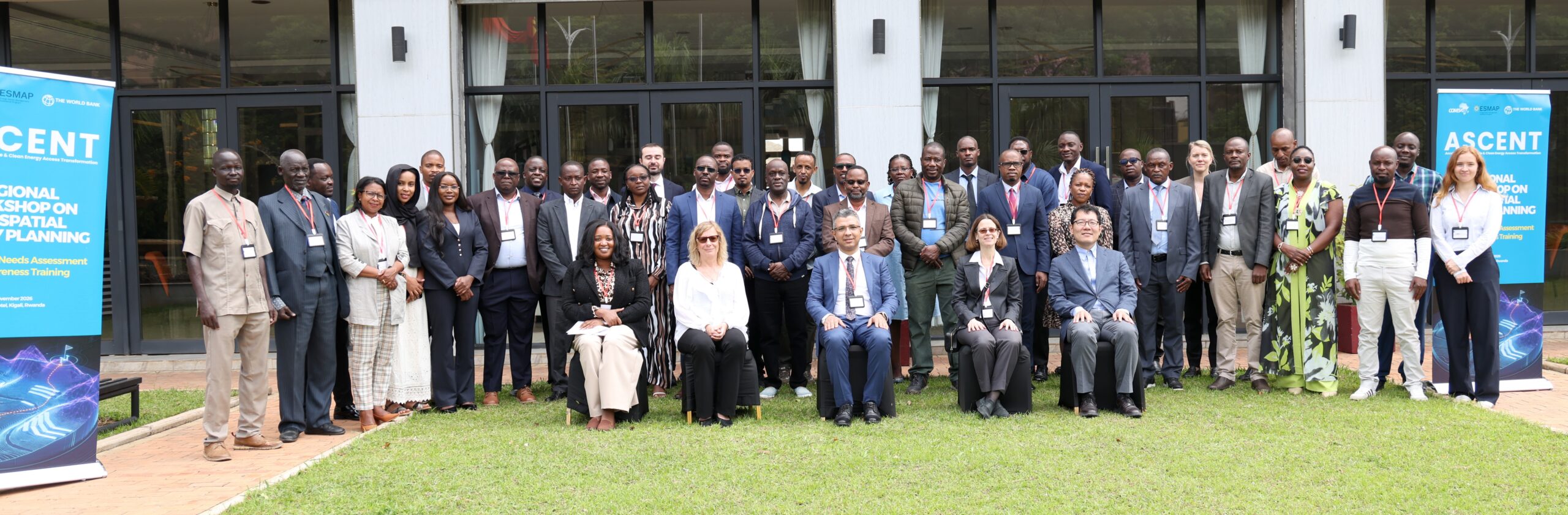
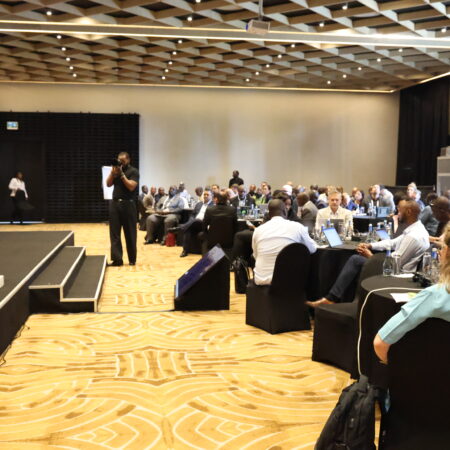
The Common Market for Eastern and Southern Africa (COMESA), in partnership with the World Bank through the Energy Sector Management Assistance Program (ESMAP) and Climate Compatible Growth (CCG), convened a two-day Regional Workshop on Capacity Building for Integrated Electrification Planning in Kigali, Rwanda, from 2–3 November 2026.
Held under the World Bank’s Accelerating Sustainable and Clean Energy Access Transformation (ASCENT) Program, the workshop brought together energy sector officials, regulators, planners and technical experts from 20 countries across Eastern and Southern Africa to strengthen national capacities in geospatial energy planning and integrated electrification strategies.
Officially opening the workshop, Energy Economist at the COMESA Secretariat, Dr. Ahmed Abdalla emphasized the importance of evidence-based planning in accelerating access to sustainable energy across the region.
“Achieving universal energy access requires informed decisions based on reliable data, strong institutions and effective regional cooperation. Geospatial planning provides governments with the tools needed to identify the most cost-effective and sustainable pathways to electrification,” he said.
The workshop provided a platform for participating countries to assess their planning capacities, identify priority gaps, and explore practical approaches for integrating geospatial tools into national electrification strategies.
Kenta Usui, Senior Energy Specialist at ESMAP, highlighted the value of geospatial planning in driving better investment decisions.
“Data-driven electrification planning enables countries to make smarter investments, prioritize underserved communities and accelerate progress toward universal access. Building local capacity is essential to sustaining these gains over the long term,” he noted.
Participants also benefited from technical insights from Professor Vivien Foster of Imperial College London, who stressed the need to strengthen the enabling environment for effective planning.
“Successful electrification planning is not only about having access to analytical tools. It also requires high-quality data, skilled professionals, institutional coordination and the ability to translate analysis into policy and investment decisions,” she said.
The workshop built on discussions initiated during the Regional Geospatial Energy Planning Webinar held in July 2026 and focused on developing preliminary country stock takes covering planning processes, institutional arrangements, data systems, analytical tools, skills and ongoing initiatives.
Speaking from the World Bank, Dana Rysankova, Senior Energy Expert, underscored the role of partnerships in expanding energy access across the region.
“The ASCENT program is committed to helping countries strengthen their planning capabilities so they can deploy resources more effectively and reach unserved populations faster. Regional collaboration and knowledge sharing are critical to achieving this goal,” she said.
A key outcome of the workshop was the development of preliminary country profiles and priority capacity-building interventions that will inform future technical assistance under the ASCENT program. Delegates also received guidance on accessing support through the COMESA-CCG partnership and the CCG Partners Bootcamp initiative.
The workshop reasserted the guarantee of COMESA, World Bank, ESMAP and development partners to strengthening regional expertise in integrated energy planning. By enhancing countries’ ability to use geospatial tools and evidence-based approaches, the initiative is expected to support more effective electrification strategies and accelerate progress towards universal energy access across Eastern and Southern Africa.