
The ASCENT Gender Work Program
1. Overview of the ASCENT Gender Work Program
ASCENT has become the leading vehicle for delivering the targets under Mission 300 (M300). To provide access to sustainable and clean energy for 300 million people in Africa, the Accelerating Sustainable and Clean Energy Access Transformation (ASCENT) MPA Project (P180547) will integrate gender-transformative approaches. These will not only close gender gaps in energy access but also employ inclusive interventions that empower both women and men to contribute meaningfully to the AFE energy sector, in line with the WBG Gender Strategy 2024–2030.
Evidence shows, for example, that women have been the main driving force behind the large-scale adoption of distributed renewable energy products, as well as increased employment in Kenya and Nigeria. The project has identified existing gender gaps in the AFE region, defined gender entry points through which the ASCENT MPA can address them, and proposed innovative interventions to help close these gaps. It has also outlined indicators to track the effectiveness of these interventions during the Second and Third Waves of the ASCENT MPA.
2. The ASCENT GENDER framework
The ASCENT MPA plans to integrate gender-transformative approaches to close gender gaps in energy access by adopting diverse and inclusive mechanisms, including interventions that accelerate the economic empowerment of women in the AFE energy sector. Given the structure of the MPA, this note presents a menu of gender interventions that can be applied at both the regional and country levels to address existing gender gaps in energy access, as follows:
- Regional Approach Interventions
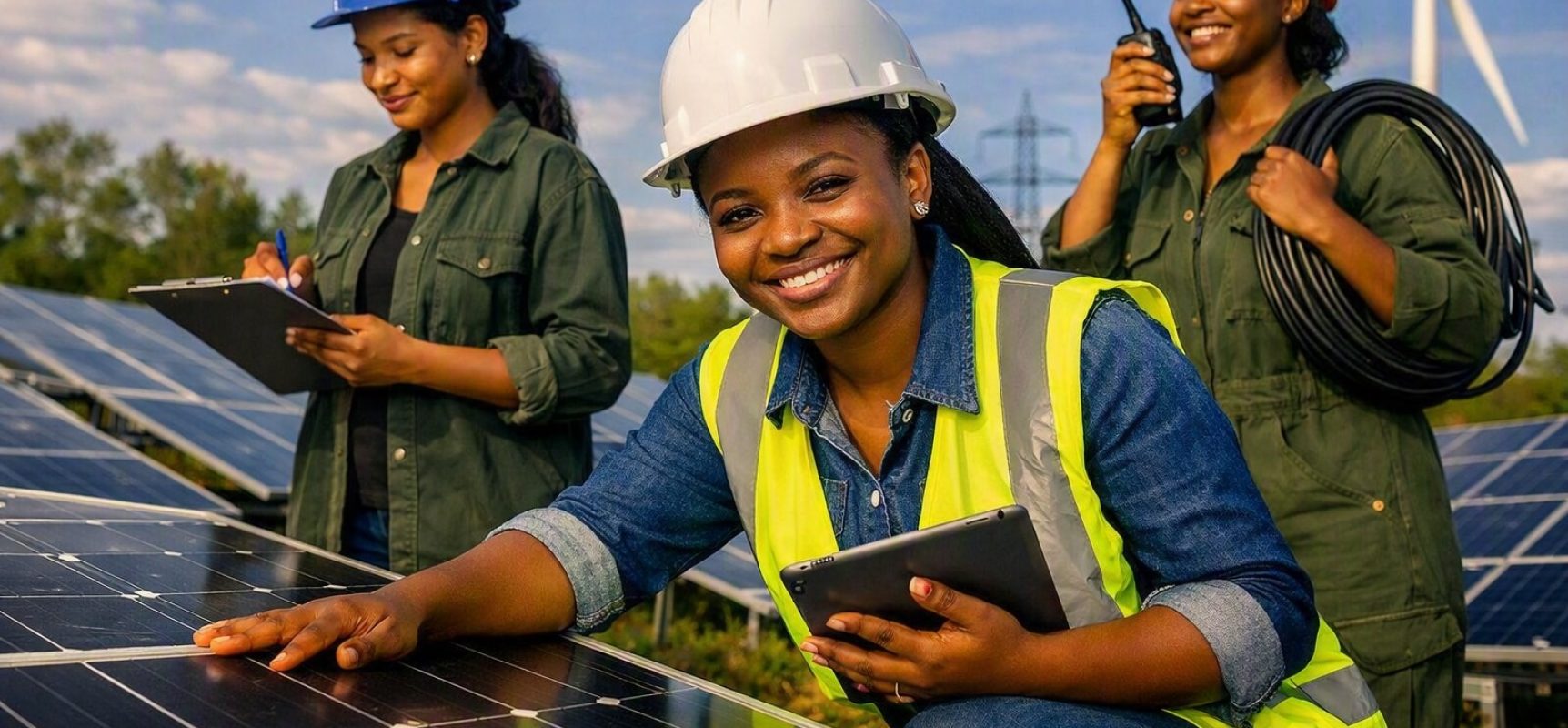
At the regional level, interventions will focus on strengthening the gender capacity of regional implementing agencies to support efforts in closing gender gaps in the AFE energy sector. Priority areas identified to ensure the full participation of both women and men—while leaving no one behind (LNOB)—include access to clean and sustainable energy for female-headed households and women-owned or women-led enterprises; women’s employment in technical positions; women’s entrepreneurship; and institutional capacity building through targeted technical assistance. Specific actions will include audits and assessments of gender and energy policies in the AFE region, along with the harmonization of policies—particularly those related to access to clean energy. Other approaches will involve developing assessments and toolkits to better understand barriers and best practices for women’s enterprise participation in the energy sector, as well as the coordinated implementation of the ASCENT Gender Framework with ASCENT Country gender focal points.
- Country Approach Interventions
The country-specific interventions will complement the ASCENT MPA Gender Action Plan. Each ASCENT country will implement gender-responsive interventions tailored to its specific context, while remaining aligned with regional approaches to accelerate clean energy access for all key beneficiaries. Targeted actions for women’s economic empowerment will include expanding clean energy access for female-headed households and women-owned or women-led enterprises, as well as increasing the employment of women with STEM backgrounds in the DRE sector, the private sector, and utilities within the respective countries. For example, gender-responsive consumer awareness and education campaigns at the country level will be critical to reaching intended beneficiaries. In addition, approaches to increasing women’s employment in the energy sector—particularly for women with STEM backgrounds—will vary depending on whether the implementing entity is from the public or private sector.
4. Results So Far
- The projects are still in preliminary implementation stages; therefore, no results are yet available regarding gender commitments.
5. Next Steps
- Conduct gender audits and assessments of energy access policies in ASCENT countries with the aim of harmonizing policies.